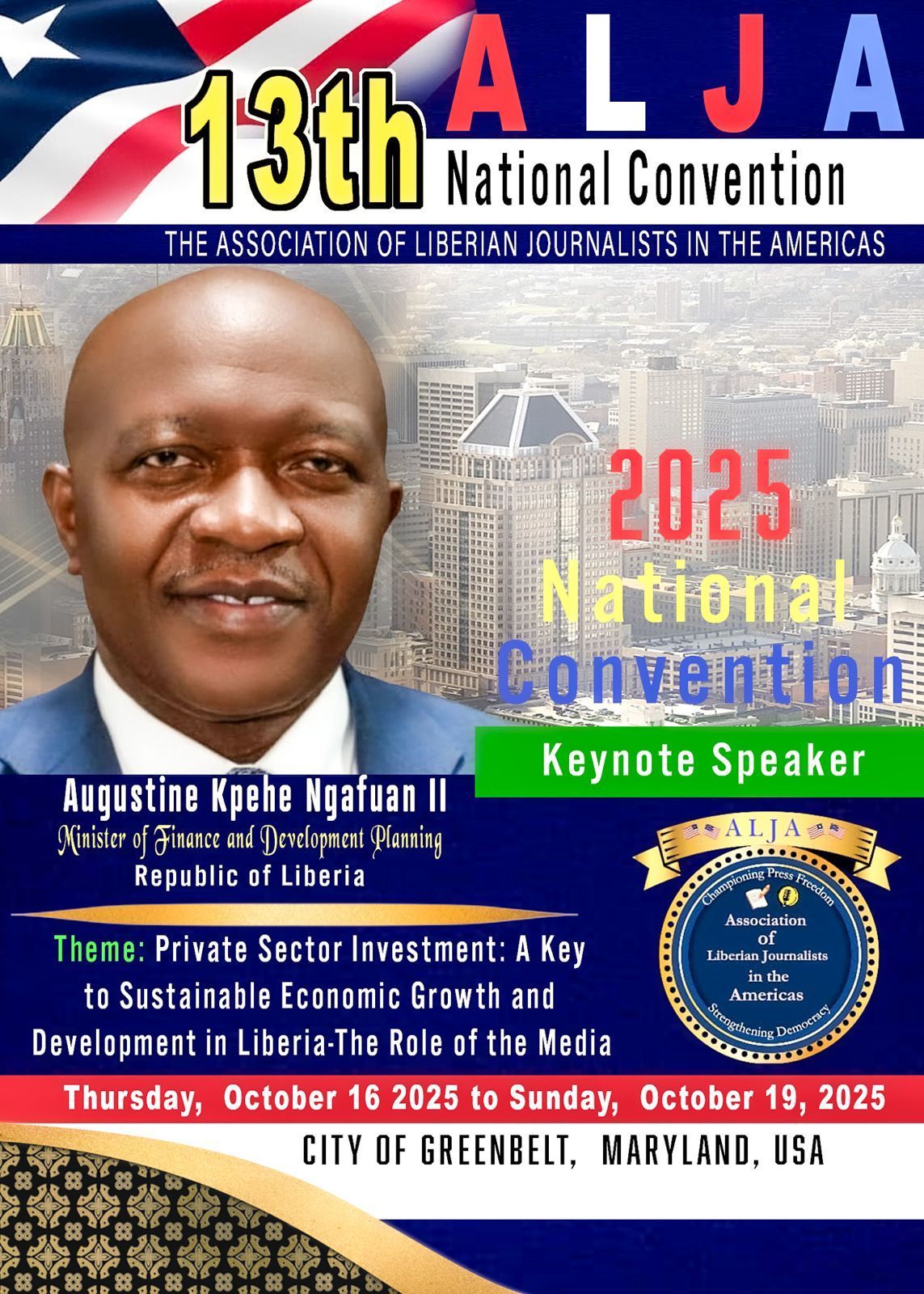
Speaking at the 13th National Convention of the Association of Liberian Journalists in the Americas (ALJA), Liberia’s Minister of Finance and Development Planning, Augustine Kpehe Ngafuan, called on journalists to embrace balanced and objective reporting to strengthen investor confidence and drive sustainable economic growth in Liberia.
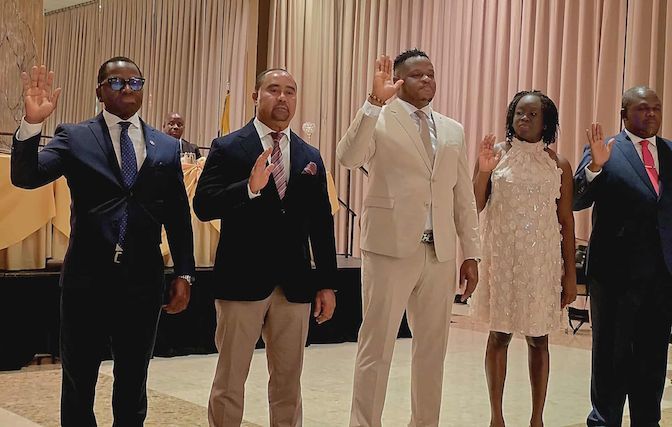
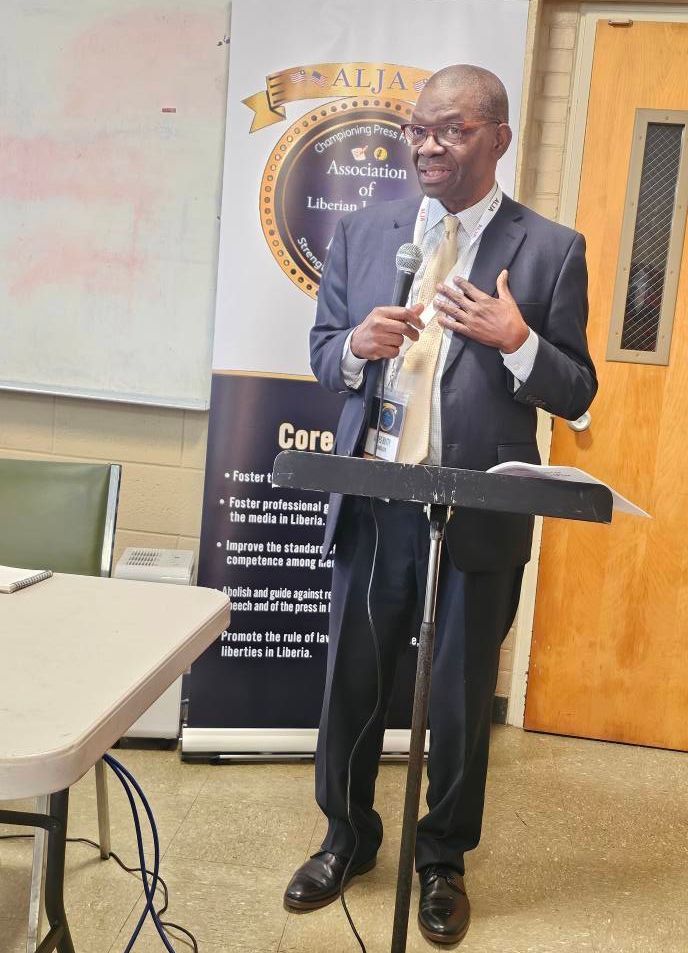
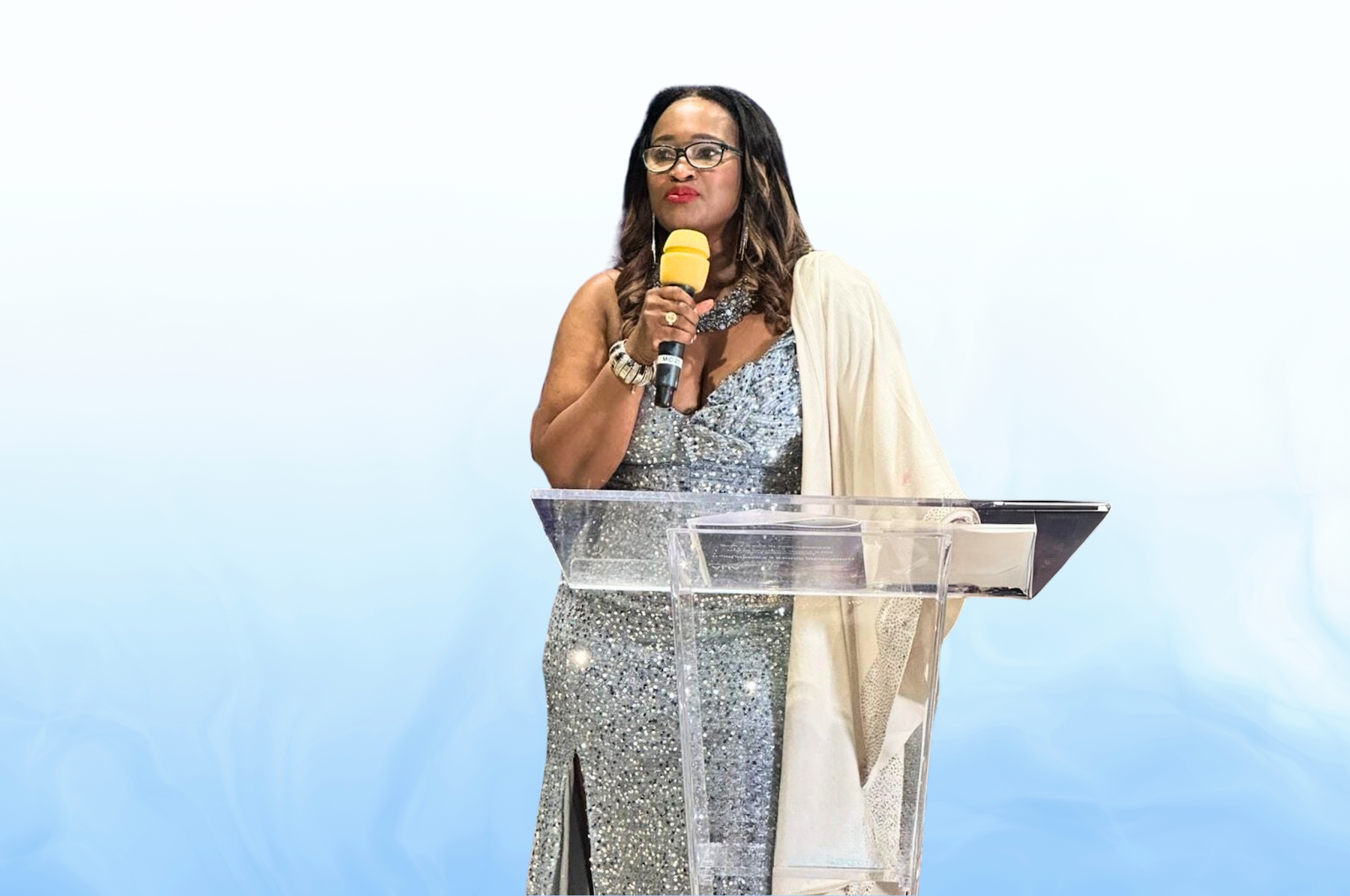
The convention, themed “Private Sector Investment: A Key to Sustainable Economic Growth and Development in Liberia: The Role of the Media,” brought together veteran Liberian journalists, government officials, and friends of Liberia in Greenbelt, Maryland, USA. Among the attendees were ALJA National President Joey Kennedy, Minister of Information Jerolinmek Matthew Piah, and representatives from media institutions across the U.S. and Liberia.
Minister Ngafuan opened his keynote by recognizing the historical significance of ALJA, founded in 1998 by eminent Liberian journalists, including Isaac Bantu, Kenneth Y. Best, and the late Patrick Manjoe. “Addressing journalists is always a challenge,” Ngafuan said, “but speaking to veterans who have earned the trust and respect of Liberians at home and abroad is an immense honor.”
He emphasized the critical link between media reporting and private sector investment, noting that the perceptions created by news coverage can significantly impact investor decisions. “Media institutions that are bent on sensationalism or half-truths may inadvertently portray our country as unstable when, in reality, Liberia is making remarkable progress,” Ngafuan said. He cited the tragic example of Rwanda in 1994 to underscore the power of irresponsible reporting in fueling social unrest.
Highlighting the government’s commitment to fostering private sector-led growth, the minister outlined the ARREST Agenda for Inclusive Development (AAID), launched by President Joseph Nyuma Boakai in January 2025. The five-year national plan aims to propel Liberia to lower-middle-income status, increase GDP per capita from $849 to $1,050, and reduce multidimensional poverty from 45% to 36%.
“The AAID envisions a vibrant, resilient economy driven by private sector investment, innovation, and entrepreneurship,” Ngafuan said. He explained that the plan identifies key sectors—including agriculture, infrastructure, rule of law, education, health, and tourism—as drivers of inclusive growth.
Ngafuan provided concrete examples of progress under the AAID. In agriculture, over 150 farmers in Bong, Gbarpolu, Margibi, and Montserrado counties received seed rice and fertilizers to cultivate 470 hectares of lowland rice under the Emergency Rice Production Offensive. Mechanization hubs are being constructed in five counties, and irrigation systems are underway in Grand Gedeh and Maryland counties.
On infrastructure, he highlighted the construction and rehabilitation of 145 kilometers of primary roads, improvements to urban and community roads, and the decentralization of National Transit Authority services to reduce transportation costs. In energy, electricity access has risen from 33% to 37%, aided by new distribution lines and the near completion of a 20MW solar farm at Mt. Coffee.
Ngafuan also stressed that these government initiatives create ample opportunities for private sector investment. “Any credible investor looking to do business in Liberia over the next five years should have a copy of the AAID and study Liberia’s approved budgets and procurement plans,” he said, emphasizing the strong link between government development plans and private sector growth.
To further support private investment, the government has partnered with development organizations such as the European Union, African Development Bank, World Bank, and U.S. Development Finance Corporation. Initiatives include the Youth Entrepreneurship Investment Bank, designed to support 30,000 youth-led businesses and generate up to 120,000 jobs over 20 years, and a €25 million Private Sector Development Project to strengthen sectors like cassava, fisheries, and wood processing.
On the role of the media, Ngafuan urged journalists to promote Liberia’s investment potential, highlighting entrepreneurial success stories, providing in-depth coverage of business trends, analyzing policies, and investigating corruption or operational barriers. “Journalists or influencers of public opinion should consider themselves trustees for the public and uphold the tenets of the Journalist’s Creed,” he said, quoting the creed:
“I believe that the public journal is a public trust; that all connected with it are, to the full measure of their responsibility, trustees for the public; that acceptance of lesser service than the public service is betrayal of this trust. I believe that clear thinking and clear statement, accuracy and fairness, are fundamental to good journalism. I believe that a journalist should write only what he holds in his heart to be true. I believe that suppression of the news, for any consideration other than the welfare of society, is indefensible.”
Ngafuan also called on the media to uphold objectivity when reporting on government initiatives. “Corruption and other vices must be exposed, but reporting must not be driven by ulterior motives to malign innocent personalities or demand compromise fees,” he said. He urged journalists to report both achievements and shortcomings in government to provide a balanced, fair perspective.
The minister shared a personal reflection on the positive influence of the media in his formative years, recounting how his late father, despite limited means, purchased newspapers, a radio, and a television to keep him informed. “Reading news stories and following broadcasts by stalwarts like Rufus Darpoh, Kenneth Y. Best, and Tom Kamara helped shape my vision, diction, and articulation. I can proudly say I am what I am today because of the positive impact of the Liberian media,” he said.
Ngafuan concluded by urging ALJA and the Press Union of Liberia to adapt to a rapidly evolving media landscape, including the rise of citizen journalism, social media influencers, and AI technology. “The media landscape is fast evolving, and so too must your institutions. Spreading the tenets of good journalism benefits the entire society,” he said.
He reaffirmed the government’s commitment to supporting private sector growth and strengthening partnerships with the media. “Being good trustees for the public, whether in government or in the media, is essential for investment, economic growth, and national development. To make Liberia better, we all must do better,” Minister Ngafuan said.
Share